Residential vs Commercial Interior Design: What You Need to Know
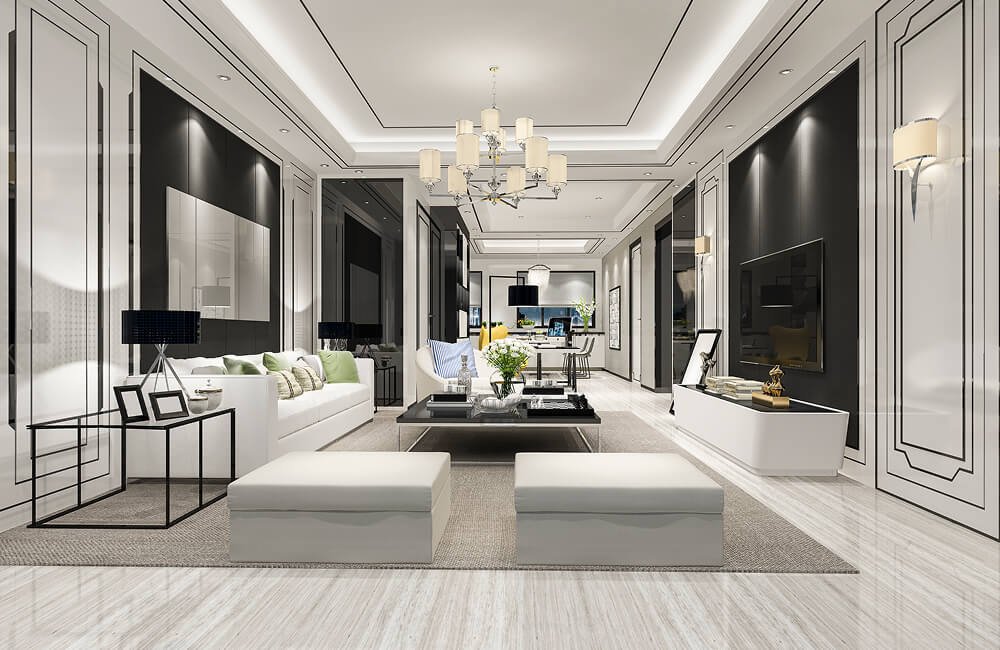
Interior design plays a crucial role in shaping how spaces look, feel, and function. While both residential and commercial interior design focus on aesthetics and usability, their goals, requirements, and execution vary significantly. Understanding these differences helps you choose the right design approach for your project.
1. Purpose of the Space
Residential interiors are designed to support daily living. Comfort, personalization, and emotional connection are key priorities. Homes reflect the lifestyle, taste, and personality of the occupants.
Commercial interiors, on the other hand, are designed with business objectives in mind. These spaces focus on efficiency, branding, customer experience, and employee productivity. The design must support operations while making a strong visual impression.
2. Design Approach & Aesthetics
Residential design emphasizes warmth, comfort, and individuality. Elements such as cozy layouts, personalized décor, soothing color palettes, and functional furniture dominate home interiors.
Commercial design prioritizes professionalism and consistency. Color schemes, materials, and layouts often align with brand identity. The design must balance visual appeal with durability and easy maintenance.
3. Space Planning & Functionality
In residential projects, space planning revolves around family needs, privacy, and flexibility. Each area—living rooms, kitchens, bedrooms—serves a specific personal function.
Commercial interiors require strategic planning to maximize productivity and traffic flow. Offices, retail stores, restaurants, and hospitality spaces must accommodate high footfall, safety standards, and operational efficiency.
4. Materials & Durability
Residential interiors often use materials chosen for comfort and style, such as wood finishes, soft furnishings, and decorative lighting.
Commercial interiors demand high-durability materials that withstand heavy usage. Flooring, wall finishes, furniture, and lighting are selected for longevity, safety, and ease of maintenance.
5. Budget & Timeline Considerations
Residential projects usually have flexible timelines and budgets based on personal preferences. Customization plays a major role in cost variations.
Commercial projects often operate under strict budgets and deadlines. Delays can impact business operations, making professional project management essential.
6. Regulations & Compliance
Residential interiors have fewer regulatory requirements, mainly focusing on safety and building codes.
Commercial interiors must comply with multiple regulations, including fire safety, accessibility norms, electrical standards, and environmental guidelines. Professional designers ensure all compliance requirements are met.
7. Technology Integration
Smart home features such as automated lighting, climate control, and security systems are common in residential design.
Commercial interiors integrate advanced technologies like smart lighting, HVAC systems, audio-visual setups, access control, and energy-efficient solutions to enhance operations.
Conclusion
While residential and commercial interior design differ in purpose and execution, both require thoughtful planning, creativity, and technical expertise. Whether you’re designing a home or a business space, partnering with an experienced interior design firm ensures your space is functional, visually appealing, and future-ready.